
How Long Does a Hot Tub Take to Heat Up?
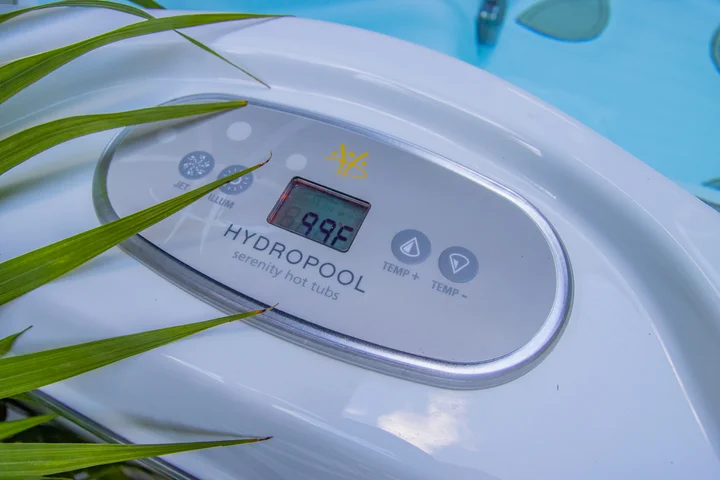
Planning a hot tub soak with friends this weekend? If you just got your Hydropool hot tub delivered, start the fill a day ahead. A hot tub's water climbs roughly 5 to 10°F an hour once the heater is running, so a full heat-up from a cold fill runs three to eight hours depending on your model, the weather, and how well your cover holds heat. Time it right and the water is exactly where it should be when the first guest walks through the gate.
Plan around the fill, not the party
You've told six people to come over Saturday at seven. The tub needs to be at 102°F by then, not lukewarm while everyone stands around in towels making small talk. Getting there isn't complicated. It just takes longer than most first-time owners expect when they hook up a garden hose and assume the water will be ready in an hour.
Here are the details
A hot tub's temperature rises about 5 to 10°F per hour once the heater is running. For most tubs, that means three to eight hours to go from a cold fill, around 60°F straight from the tap, to a soak-ready 100 to 104°F. Four things decide where you land in that range:
- How cold it is outside
- How cold the water is coming out of your hose
- How good your insulation and cover are
- The age and condition of your heating element
Swim spas, with more water to heat, will take longer to heat. A quick top-off after last night's soak is a different story: usually under an hour, because the heater is only closing a small gap instead of climbing dozens of degrees.
Fill smart and you save real time
Keep the cover mostly closed while the hose runs. On most Hydropool control panels, taking the hot tub out of standby during the fill starts the filtration pump and heater right away, so the water begins warming while it's still rising instead of sitting cold until the tub is full. Skipping that step is one of the most common reasons a first fill takes longer than it needs to.
Hot tap water is a shortcut with fine print
Filling with hot water instead of cold can cut real time off the process, make sure that your hose is rated for hot water (a standard garden hose usually isn't), and that your water heater can keep up (a tankless unit handles it; most tank heaters run out fast). If you're not sure, ask your dealer before you try it. The time you save isn't worth a cracked hose or a damaged fitting.
Where the heat actually goes
Hydropool's own service documentation is blunt about this: leave a hot tub uncovered and more than 90 percent of its heat escapes straight off the water's surface. That's why a quality, lockable, insulated cover matters more than almost any other single choice you'll make about running the tub day to day. Windbreaks and thoughtfully placed landscaping around the equipment help too, especially if your yard catches wind that runs straight at the cabinet. The same logic that keeps a household water heater tank insulated applies here; the U.S. Department of Energy walks through the numbers in its guide to insulating a water heater tank.
The built-in ceiling
Every Hydropool control system is built with safeguards for exactly this: if the water climbs to unsafe levels, the display flags it and restricts use until the temperature is back in a safe range. That's not a limit to try to work around by cranking up the fill temperature. The U.S. Consumer Product Safety Commission has been saying since 1980: hot tub water should never exceed 104°F, and 100°F is the safer number for most healthy adults. The equipment is built to respect that ceiling whether or not anyone's watching the display.
Leave it running
Most owners get better results leaving the tub on than shutting it down between uses. The away mode built into most control panels drops the set point by about 20°F instead of turning the heater off entirely, so pipes stay protected and you're not starting from a cold tank the next time someone wants in. A full shutdown almost always costs more in reheating than it saves in standby power. If you're weighing that against your actual electric bill rather than a guest list, we've broken down the real numbers here.
Heat-up time at a glance
| Starting point | Typical time | Why |
|---|---|---|
| Topping off after a soak | 30–60 minutes | The heater is only closing a gap of a few degrees. |
| Full refill, mild weather, good cover | 3–5 hours | Less heat lost to the air while the tub fills and climbs. |
| Full refill, cold weather or a worn cover | 6–8+ hours | More heat escapes during the climb, so the heater is fighting the weather too. |
| Swim spa refill | 12–24 hours | More total water volume for the same heater to raise. |
None of this needs a maintenance degree
If you want the full rundown on what owning one actually takes week to week, start here, and if heating efficiency is the deciding factor between models, this look at Hydropool's most energy-efficient tubs is worth reading before you buy.
FAQ
Can I fill my hot tub with hot tap water to save time?
You can, if your model is rated for it, your hose can handle the temperature, and your water heater won't run dry halfway through the fill. Confirm all three with your dealer first. A cracked hose or a damaged fitting costs more than the hour you saved.
Is it cheaper to leave my hot tub running than to heat it up each time?
Almost always, yes. Reheating from a cold or heavily set-back tank generally uses more energy than holding a steady temperature, which is why most control panels default to a modest setback instead of a full shutdown.
How long does it take to reheat after we've used it, versus filling from empty?
A quick reheat after normal use is usually closing a gap of a few degrees, often under an hour. A full refill from a cold tap is a different job: three to eight hours, because you're raising dozens of degrees instead of a handful.
Do swim spas take longer to heat than hot tubs?
Generally, yes. More water means more mass to bring up to temperature, so a swim spa refill tends to land at the longer end of the range, or past it, compared with a standard hot tub on a similar heater.
What's the highest temperature a Hydropool will let the water reach?
The control system is built around a safe soaking ceiling of 104°F, matching the U.S. Consumer Product Safety Commission's longstanding guidance for hot tub users, with safeguards that flag the water and restrict use if it climbs past a safe range.
Talk to a dealer before filling
The honest answer is that timing depends on your specific tub, your yard, and your weather. A Hydropool dealer who's walked your backyard can tell you almost to the hour how long your first fill will run and help you set a heating schedule around it. That conversation is worth having this week, not the morning of the party.